
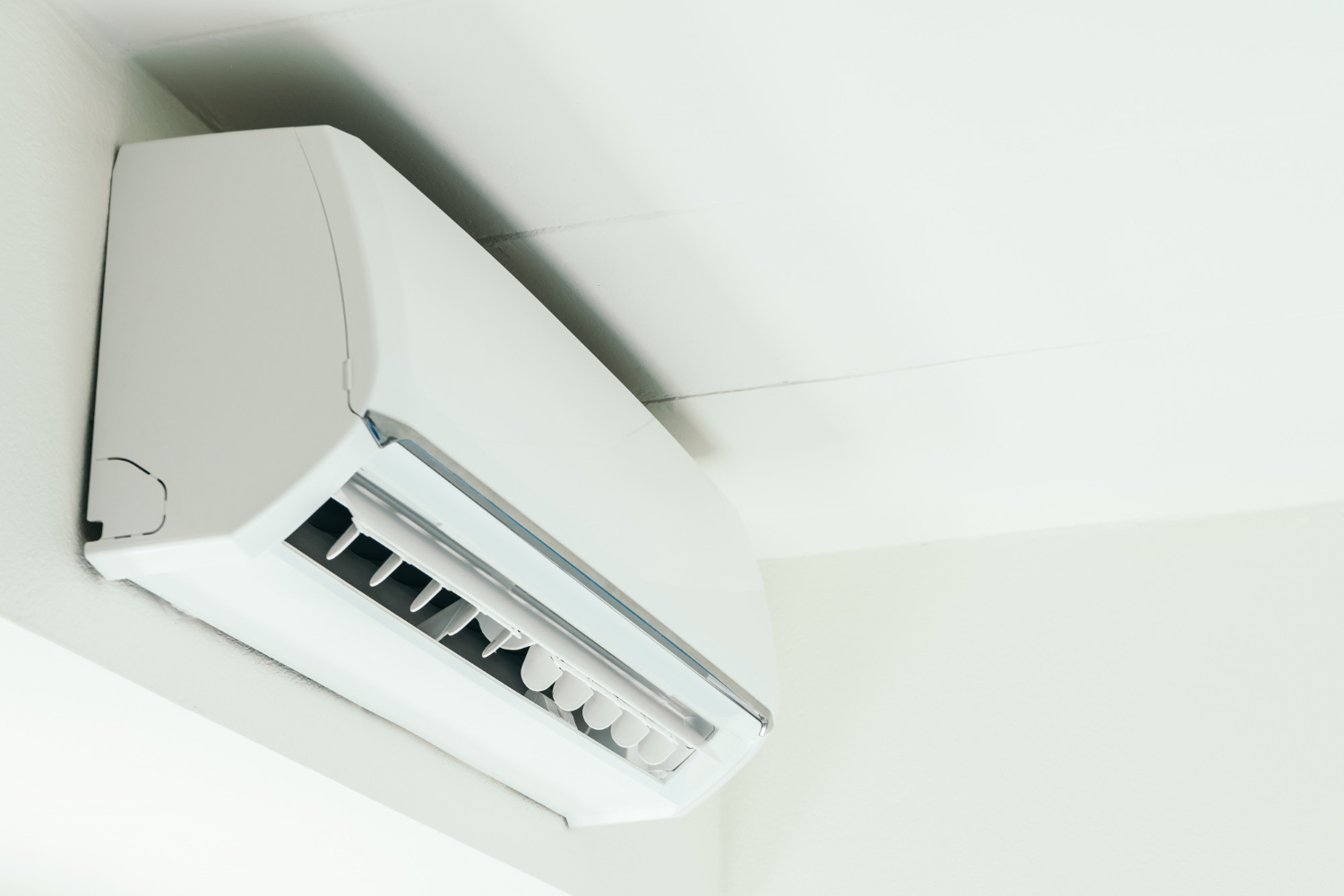
Weak airflow is one of the most common issues homeowners experience with HVAC systems, often leading to uneven temperatures and reduced indoor comfort. Several factors can contribute to poor airflow, including clogged filters, blocked vents, leaking ductwork, or failing blower components. Emergency ac repair services in Manor often discover that unresolved airflow problems can place additional strain on the system and increase energy consumption over time. Identifying the root cause early helps prevent larger mechanical issues and supports more efficient heating and cooling performance. This article explores the most common causes of weak airflow in HVAC systems and why timely maintenance is essential for reliable operation.
Dirty or Clogged Air Filters
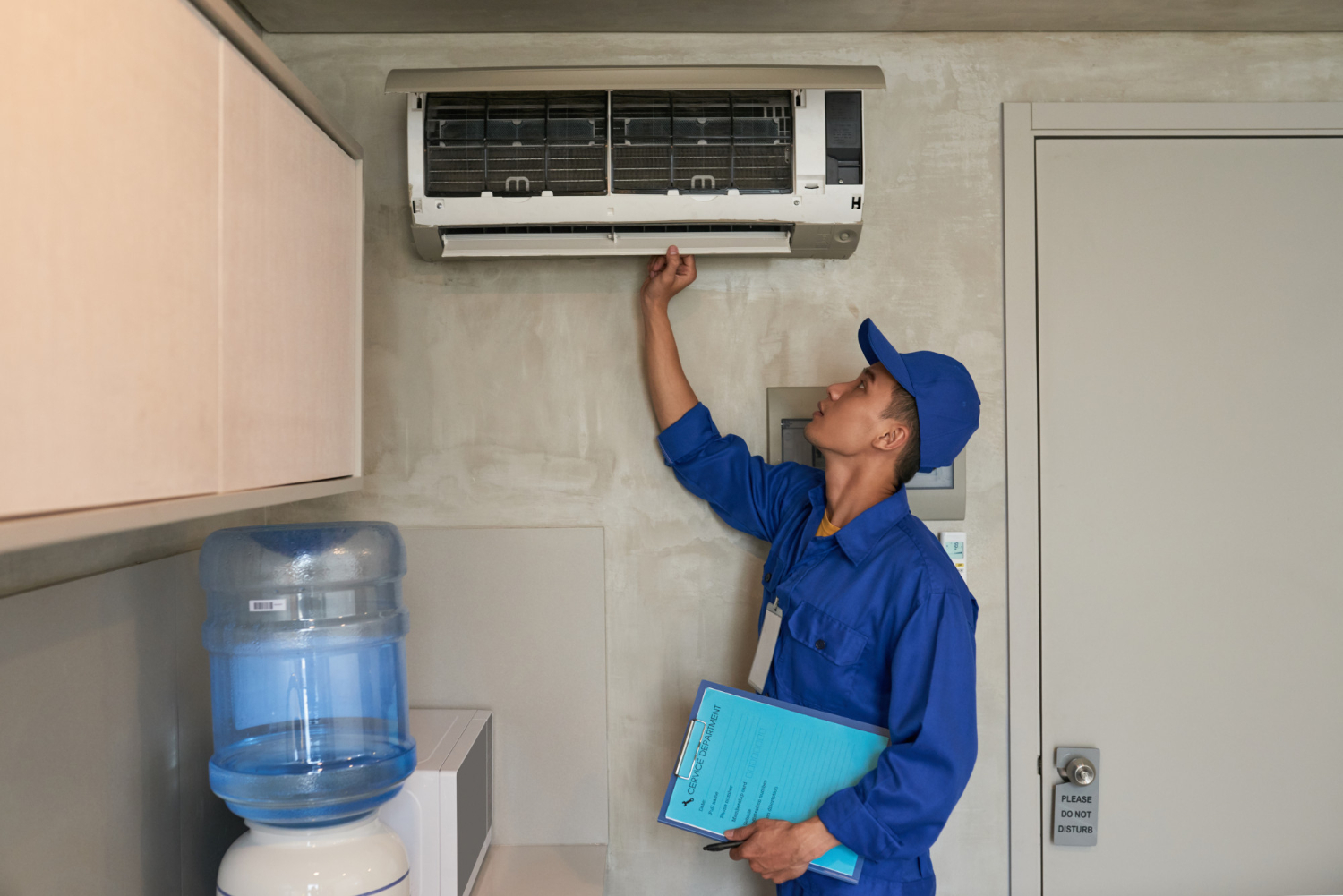
One of the most common causes of weak airflow is a dirty air filter. HVAC filters are designed to trap dust, debris, and airborne particles before they circulate through the system. Over time, these materials accumulate, reducing the airflow through the filter. When airflow becomes restricted, the system must work harder to push air through the ducts. This reduces efficiency and can limit the amount of conditioned air reaching different rooms. Regular filter replacement is essential for maintaining stable airflow and overall HVAC performance.
Blocked or Leaking Air Ducts
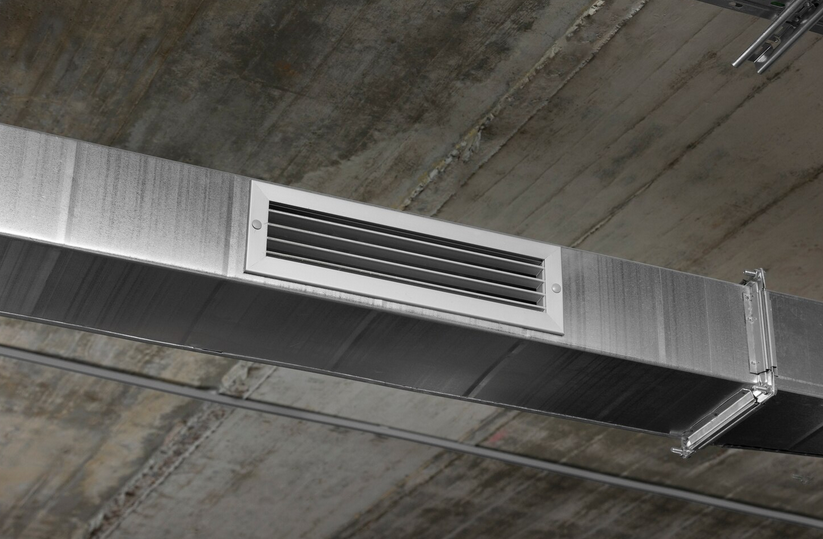
Air ducts distribute conditioned air throughout the building, making them critical to airflow performance. If ducts become blocked by dust buildup, debris, or physical obstructions, airflow may weaken in certain areas of the home. Leaks in ductwork can also reduce airflow by allowing conditioned air to escape before it reaches the intended rooms. In some cases, disconnected or damaged ducts significantly reduce system efficiency. Because ducts are often hidden behind walls or ceilings, airflow issues related to ductwork may go unnoticed for long periods without inspection.
Blower Fan Problems
The blower fan is responsible for moving air through the HVAC system and into the duct network. If the blower motor becomes worn, dirty, or mechanically damaged, airflow may decrease noticeably. Fan blades coated with dust or debris can also reduce the system’s ability to circulate air effectively. Electrical problems affecting the blower motor may further weaken performance. Since the blower is central to air movement, even minor mechanical issues can significantly affect how much air reaches indoor vents.
Frozen Evaporator Coils
Evaporator coils absorb heat from indoor air during cooling. When these coils freeze, airflow can become severely restricted. Frozen coils are often linked to airflow imbalances, refrigerant problems, or dirty filters that reduce proper circulation. Ice buildup blocks air movement and prevents the system from cooling efficiently. As a result, vents may produce very weak airflow or uneven cooling throughout the building. Frozen coil issues often indicate underlying problems that require maintenance to restore proper system operation.
Closed or Obstructed Vents
Sometimes, weak airflow is caused by simple obstructions at the vent level. Furniture, curtains, rugs, or closed vent registers can block air movement into rooms. Even partially blocked vents may reduce airflow enough to affect comfort and system balance. In homes with multiple vents, improper vent management can disrupt pressure distribution within the duct system. Ensuring that vents remain open and unobstructed helps maintain smoother air circulation throughout the building.
Weak airflow in HVAC systems is commonly caused by dirty filters, blocked or leaking ducts, blower fan problems, frozen evaporator coils, or obstructed vents. These issues interfere with the system’s ability to circulate conditioned air effectively, reducing comfort and efficiency. Identifying airflow restrictions early helps prevent additional strain on HVAC components and supports better long-term system performance. Understanding these common causes highlights the importance of regular inspection and maintenance for reliable indoor climate control.