

A home can look gorgeous in photos and still make you miserable on a Tuesday morning. The real trick is building around your routines, priorities, and little habits, rather than forcing your life to fit a floor plan. Before buying another pretty chair, ask a better question: What do I actually want to do here? That answer can change everything.
Start With Your Real Daily Routine

Think about what happens in your home on an ordinary day. Do you work at the kitchen table, eat dinner on the sofa, exercise before breakfast, or leave shoes scattered by the door? These details may sound boring, but they reveal what your home needs to support. A house should work on a random Wednesday, not just look impressive when friends visit. Write down the routines that matter most. If mornings are rushed, create a simple drop zone near the entrance for keys, bags, and shoes. If you spend evenings reading, give that habit a comfortable corner with good lighting. The goal is to make useful behaviors easier instead of constantly fighting your surroundings.
Give Your Favorite Activities Some Space
Your home should make room for the things that make you feel like yourself. A serious baker may need generous counter space, while a book lover might happily sacrifice a formal dining area for another wall of shelves. Someone who loves hosting could prioritize an open kitchen and flexible seating. There is no universal formula because there is no universal life. This is where square footage can become surprisingly misleading. A smaller home with the right layout may work better than a larger one filled with rooms you rarely use. Ask which activities deserve physical space and which can share a zone. Your hobbies should not have to live permanently on the floor because the house forgot about them.
Design for the Life You Want More of
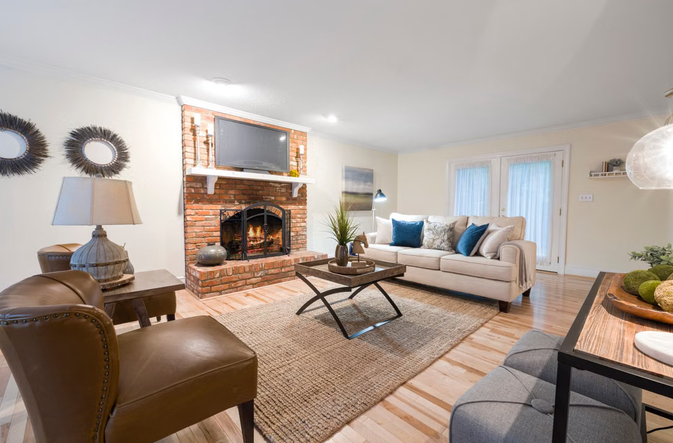
Your home can also gently encourage habits you want to build. Want to spend more time outside? Make the patio easy to reach and pleasant enough that you actually use it. Hoping to cook more? Keep everyday ingredients and cookware within easy reach. Want quieter evenings? Create a comfortable area where screens are less tempting. This does not require turning your house into a motivational poster. Small environmental cues can do plenty. A yoga mat that is easy to grab may get used more often than one hidden in a closet. A reading chair beside a lamp can make picking up a book feel wonderfully effortless.
Let Practicality Have a Seat at the Table
Pretty things matter, but practical choices often determine how happy you feel in a space. Storage should match what you own, furniture should fit how you move, and surfaces should be easy enough to maintain. If every morning starts with moving six objects just to reach the coffee maker, the layout is working against you. Your home should remove small annoyances rather than manufacture new ones. Think about maintenance before committing to a design choice. Delicate materials may look fantastic but become frustrating in a busy household. Open shelving can be charming until you realize someone has to dust it. Choose finishes, furniture, and storage with your actual energy levels in mind.
Always Think to Build Around People

A home should leave room for real life, including messes, guests, quiet days, and unexpected changes. You may eventually work from home, adopt a pet, welcome family members, or simply develop new interests. Flexible furniture and adaptable rooms can make those changes easier. A good home has some breathing room. Most importantly, stop measuring your home against someone else’s highlight reel. The best space is one that supports your mornings, comforts you at night, and makes ordinary moments feel a little nicer. So, try to build your home around the life you want to live, then let the design follow.