
How to Know When It’s Time to Replace Your Heating or Cooling System
Your heating and cooling system plays a major role in your home’s comfort. It manages temperature, airflow, and energy use. Over time, any system experiences wear. Small issues appear first, and larger problems follow. Expert furnace service technicians often see these signs early when many homeowners are still not sure what to do. Replacements feel overwhelming, but the process becomes easier when you know the signs. This article explains how to recognize when it may be time to replace your system and why timely action supports a more comfortable home.
Age and Declining Performance
Age is one of the strongest indicators. Most systems last around 10 to 15 years. Once they reach this point, performance usually dips. You may notice the unit takes longer to heat or cool the home. You may also feel uneven temperatures between rooms. These changes develop slowly. Many people ignore them at first. But age often signals that the system can no longer work efficiently. You can maintain an older system for a while, but replacements provide stronger long-term comfort.
Frequent Repairs and Rising Costs
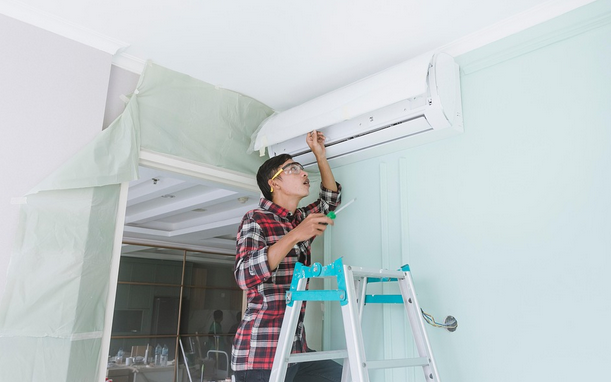
Frequent repairs are a clear sign of deeper problems. If your system breaks down more than once a year, it may be approaching the end of its life. Constant repairs become costly. They also create stress and inconvenience. At some point, repair costs add up to more than the value of keeping the system. A replacement removes the cycle of repetitive issues. It also offers relief by restoring stable performance. Homeowners often find that investing in a new system saves money over time.
Higher Energy Bills Without Explanation
A sudden increase in energy bills can point to a struggling system. A unit that once used energy efficiently may start consuming more to produce the same output. This shift usually happens gradually. Dust buildup, worn parts, and aging components all contribute to inefficiency. Even with maintenance, older systems cannot match the performance of modern units. A new system uses energy more wisely. It delivers comfort with less strain. This brings predictable bills and a more balanced environment.
Unusual Noises and Persistent Odors
Heating and cooling systems make some noise. But loud banging, rattling, grinding, or buzzing signals trouble. Unusual sounds often mean internal parts are wearing down. These noises can worsen over time. Persistent odors are another warning. Burning smells, musty scents, or chemical-like odors can indicate serious internal issues. These problems should never be ignored. While some issues can be repaired, many recurring noises and smells appear in systems nearing the end of their lifespan. Replacement becomes the safer and more reliable option.
Humidity Problems and Declining Air Quality
Your system helps manage humidity and filtration. When these functions decline, the home feels different. Excess moisture can appear on windows. Rooms may feel sticky or too dry. Poor air filtration allows more dust and allergens to circulate. These issues affect comfort and health. They also hint that the system can no longer regulate the indoor environment properly. A new system restores balanced humidity and cleaner airflow. It also introduces modern filtration features that improve air quality.
Inconsistent Temperatures and Poor Airflow
 Comfort relies on steady airflow. When a system fails to circulate air properly, you feel the difference quickly. Some rooms feel warmer or colder than others. Air may feel weak or unsteady. This often means the system is no longer pushing air through the home effectively. Repairs may provide temporary relief. However, if the issue keeps returning, the system may be too worn to support normal airflow. Replacing it restores even temperatures and a smoother flow of air.
Outdated Technology and Limited Efficiency
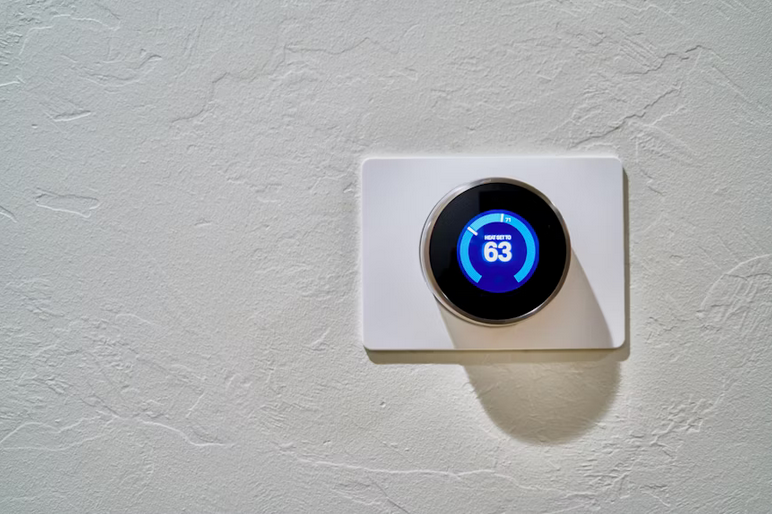
Older systems lack the technology found in modern units. Newer systems offer better energy ratings and smarter controls. They provide features that reduce waste and improve comfort. They respond faster and run more quietly. Replacing an outdated system gives homeowners access to these improvements. It also offers a unique opportunity to upgrade the home’s overall efficiency. Modern systems are built to last longer and perform with greater stability. They reflect current standards that older units cannot meet.
When Repairs No Longer Solve the Issue
Sometimes the system stops responding well to repairs. Technicians may fix one part only for another to fail soon after. This cycle is frustrating. It also signals that the system is reaching its limit. Replacement becomes the most practical solution. It brings a sense of relief and offers the utmost stability for your home. Choosing a new system also helps ensure long-term comfort through every season. Once installed, the new unit delivers steadier performance and fewer concerns.
Knowing when to replace your heating or cooling system protects your home and your comfort. Age, frequent repairs, rising bills, uneven temperatures, unusual sounds, and air quality issues all point toward replacement. Upgrading to a modern system restores efficiency and reliability. It also improves the overall environment inside your home. With proper guidance, replacement becomes a straightforward decision. A new system supports smoother performance, healthier airflow, and lasting comfort.…
Read More