
Fire-Damaged Homes and Insurance: How They Affect Your Sale
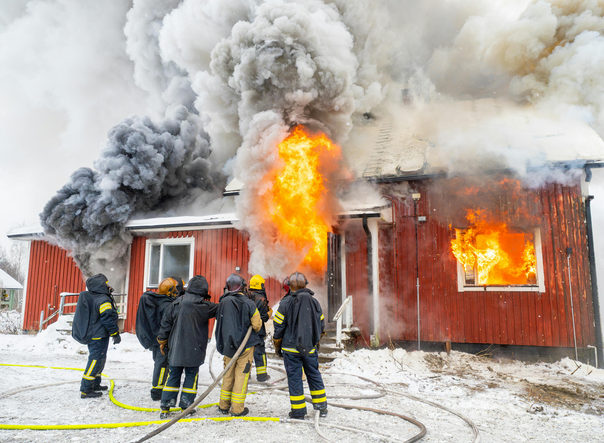
Fire damage doesn’t only leave smoke stains, but it leaves a stack of questions about what to do next. Should you repair, sell, or just wait it out? Avoid repairs, sell fire damaged house if you want to make it simple, especially when insurance is part of the conversation. But how does insurance affect your chance of closing the deal?
How Insurance Coverage Influences Buyer Decisions
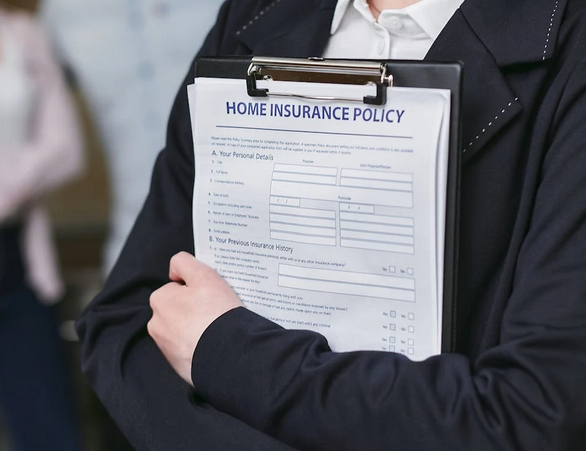
Insurance payouts after a fire rarely cover everything. Policies may include structural damage but exclude items like landscaping or personal belongings. That gap in coverage matters when you’re ready to sell. Buyers often want to see proof of insurance claims before committing. These documents provide transparency and help them judge the condition of the home. Without them, you risk slower offers or lower bids. For investors, having insurance paperwork on the table shows you’re not hiding anything. That transparency builds trust and cuts down negotiation time.
Why Disclosure Matters in Fire-Damaged Property Sales
Sellers are legally required to disclose known damage. This includes fire incidents, smoke damage, and repairs already made. Trying to skip this step can lead to lawsuits down the road. Buyers aren’t scared off by honesty. They’re scared off by surprises. By sharing insurance details and fire reports, you’re showing respect for their investment. Think of disclosure as a shield for you and reassurance for them. When the paperwork is complete and clear, deals often close faster. It’s the difference between open doors and slammed ones.
The Cost Factor: Repairs Versus Selling As-Is
 Insurance may cover part of your loss, but sellers often find themselves paying large out-of-pocket expenses. Rebuilding walls, replacing wiring, and cleaning smoke damage can be overwhelming both financially and emotionally. Selling as-is puts the responsibility into the hands of investors or cash buyers. They calculate repair costs in their offers, leaving you free from juggling contractors and timelines. In many cases, this choice brings quicker closure and less stress.
Emotional Relief Through Transparency
Selling a fire-damaged house is already emotional. Insurance documents make the process less painful by adding structure and clarity. They help shift the story from tragedy to transition. Being upfront not only protects you legally, but it also helps you mentally let go. Knowing you’ve provided buyers with the right information eases the sale. It turns an uncertain process into one you can manage step by step. For many homeowners, that peace of mind is just as valuable as the sale itself.
How Insurance Documents Speed up Closings

The more organized your documents, the smoother the sale. Insurance claim forms, fire department reports, and repair receipts give buyers a complete picture of the property. This reduces back-and-forth questions and unnecessary delays. Buyers feel more confident when they see official paperwork. It shows the damage has been evaluated and handled responsibly. That confidence can turn into quicker offers and fewer negotiations. Think of it like selling a used car; you get more interest when you show a service record. Homes aren’t any different.
Insurance shapes the way buyers view and value fire-damaged homes. From payouts to disclosures, the paperwork you provide can make or break your sale. With documents ready and honesty upfront, you’ll attract more serious buyers and move on without unnecessary roadblocks.…
Read More