
Previous HVAC repairs can continue to influence how a system operates long after the original problem is resolved. Replaced components, altered wiring, adjusted refrigerant levels, and airflow changes can all affect how other parts of the system function. Work such as air conditioning repair by Premier Comfort may therefore become part of a system’s longer maintenance history, particularly when multiple repairs occur over its operating life. The quality and compatibility of replacement parts can also influence future performance, while incomplete or temporary repairs may create additional issues later. Reviewing an HVAC system’s repair history provides useful context when diagnosing new problems, helping explain why current performance may be connected to work done months or years earlier.
How Replacement Components Affect Compatibility
Replacing a damaged component can influence how other parts of an HVAC system operate. Components are designed to meet specific electrical, mechanical, airflow, or control requirements. If a replacement differs from the original specification, the surrounding system may respond differently even if the equipment continues to operate. Age and availability can also mean that later replacements are not identical to the parts originally installed. Compatibility between components therefore becomes part of the system’s long-term performance rather than simply an issue associated with the original repair.
Why Modified Wiring and Controls Matter
Previous repairs can change electrical connections, sensors, thermostats, relays, or control systems. These modifications can affect how equipment starts, stops, communicates, or responds to temperature changes. A system may keep functioning even if its control behavior differs from the original design. Over time, later technicians may also encounter wiring or control arrangements that are different from standard configurations. This can complicate diagnosis because the current system reflects both the original installation and the changes introduced during previous repairs.
How Ductwork Repairs Can Influence Airflow
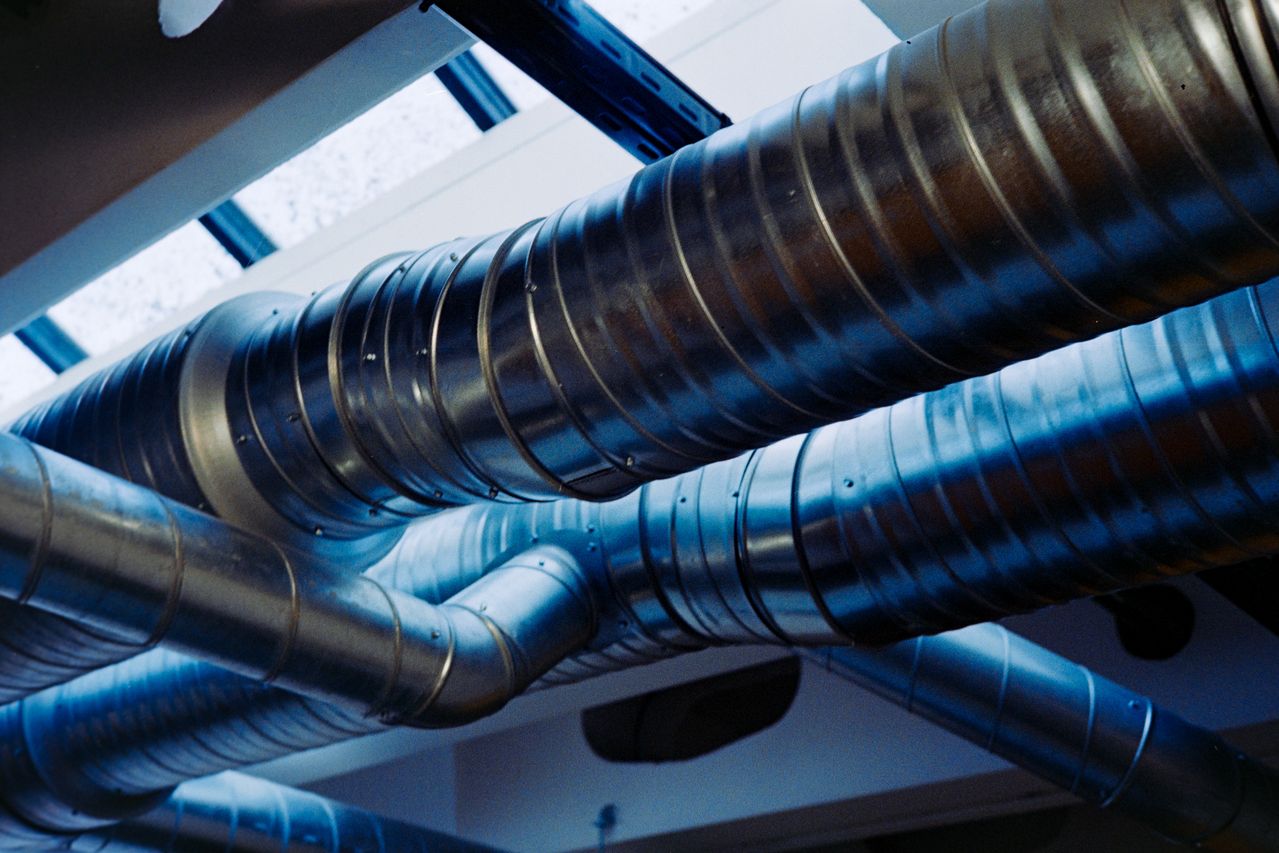
Repairs or alterations to ductwork can affect how conditioned air moves through a building. Sealing a leak, replacing a section, changing a connection, or modifying a branch can alter resistance within the distribution system. These changes may affect how much air reaches different rooms. The effects may only become noticeable under particular operating conditions, especially when a system has multiple branches or significant differences in duct length. A previous repair can therefore influence overall performance even when the repaired section itself appears to be functioning correctly.
Why Repair History Helps Explain Later Problems
HVAC systems change over time as components age and repairs accumulate. A later symptom may relate to an earlier modification, or it may simply occur in a system that has become more complex through years of maintenance. Knowing what was previously replaced or altered can provide useful context when examining new behavior. Without that history, an unusual configuration may be mistaken for an original design feature or overlooked entirely. Repair records can therefore help establish how the present system developed from its original installation.
Previous HVAC repairs can affect future system performance because each repair becomes part of the equipment’s evolving configuration. Replacement components can introduce compatibility differences, while modified controls, wiring, and ductwork can influence how the system operates. These effects may remain subtle until other components age or operating conditions change. A system’s current behavior is therefore shaped not only by its original design but also by the repairs and modifications made throughout its service life. Understanding this history can provide important context when evaluating later performance changes or unfamiliar system behavior.…