
As environmental awareness grows, more homeowners are seeking practical ways to reduce their ecological footprint. One of the most effective yet often overlooked areas for improvement is the home’s plumbing system. Eco-friendly plumbing upgrades not only help conserve valuable water resources but can also reduce utility bills and improve overall household efficiency. By investing in sustainable plumbing solutions, homeowners can create a more environmentally responsible home while enjoying long-term financial benefits.
Upgrade Aging Pipes for Greater Efficiency
Older plumbing systems can contribute to water loss through leaks, corrosion, and inefficiencies that often go unnoticed. Modern pipe restoration techniques offer environmentally friendly alternatives to full pipe replacement, reducing waste and minimizing disruption to the property. Homeowners researching the pipe relining cost often find that relining existing pipes can extend the lifespan of plumbing infrastructure while avoiding the environmental impact of large-scale excavation and material disposal. Maintaining efficient pipes is an important first step toward creating a more sustainable home.
Install Low-Flow Fixtures
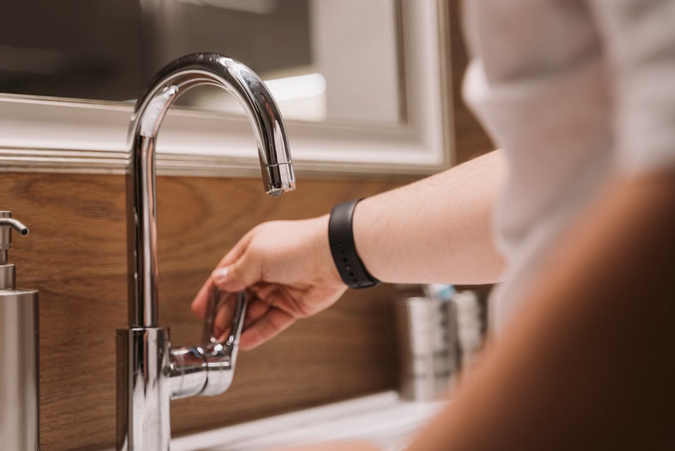
Low-flow faucets, showerheads, and toilets are among the most popular eco-friendly plumbing upgrades available today. These fixtures are made to use less water without sacrificing performance or comfort. By reducing water consumption during daily activities such as showering, handwashing, and flushing, households can conserve thousands of liters of water each year. In addition to environmental benefits, reduced water use often results in noticeable savings on monthly utility bills.
Consider a High-Efficiency Water Heater
Traditional water heaters can consume substantial energy, particularly in larger households. Upgrading to a high-efficiency water heater can significantly reduce energy consumption while ensuring a reliable supply of hot water. Modern systems, including tankless and heat pump water heaters, are designed to operate more efficiently than older models. These upgrades not only lower energy costs but also help reduce greenhouse gas emissions associated with household energy use.
Incorporate Rainwater Harvesting Systems
Rainwater harvesting systems provide an effective way to reduce reliance on municipal water supplies. By collecting and storing rainwater, homeowners can use it for irrigation, landscaping, and other non-potable uses. This approach helps conserve treated drinking water while reducing stormwater runoff. In regions where water conservation is a priority, rainwater harvesting can be an excellent addition to a sustainable home improvement strategy.
Invest in Smart Plumbing Technology
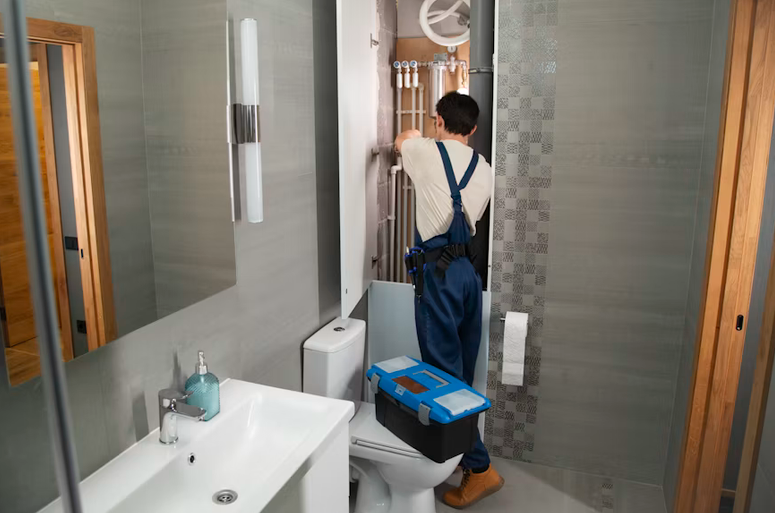
Advancements in technology have introduced innovative solutions for water conservation and plumbing efficiency. Smart water monitoring systems can track usage patterns, detect leaks in real time, and provide homeowners with valuable insights into their water consumption habits. These systems enable more informed decision-making and can help households identify additional opportunities to reduce water waste. As smart home technology continues to evolve, plumbing systems are becoming increasingly efficient and environmentally friendly.
Detect and Repair Leaks Promptly
Even small leaks can waste a surprising amount of water over time. A dripping faucet or a hidden pipe leak may seem insignificant, but the cumulative impact can be substantial. Installing leak detection devices and conducting regular plumbing inspections can help identify problems early. Prompt repairs not only conserve water but also prevent potential property damage that could require additional resources and materials to address.
Eco-friendly plumbing upgrades offer a practical and effective way to support sustainable living. From installing low-flow fixtures and high-efficiency water heaters to upgrading aging pipes and incorporating smart technology, there are numerous opportunities to reduce water and energy consumption. These improvements not only benefit the environment but can also provide long-term cost savings and enhanced home performance. By taking a proactive approach to plumbing efficiency, homeowners can contribute to a more sustainable future while creating a healthier and more resource-conscious living space.…